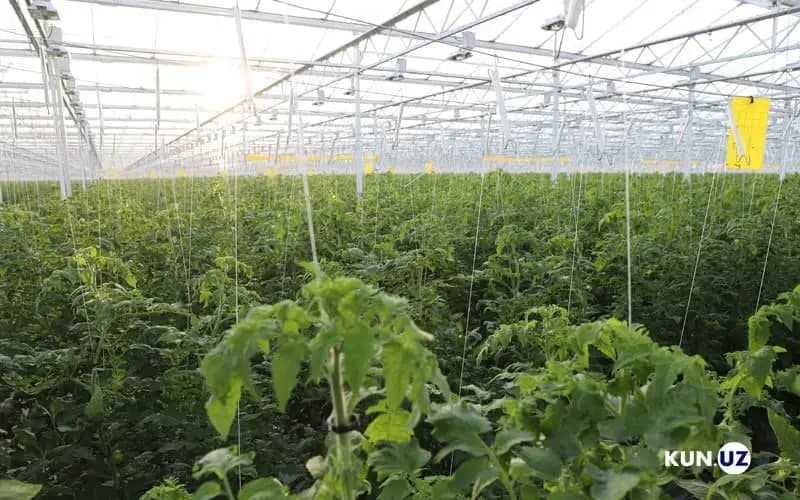
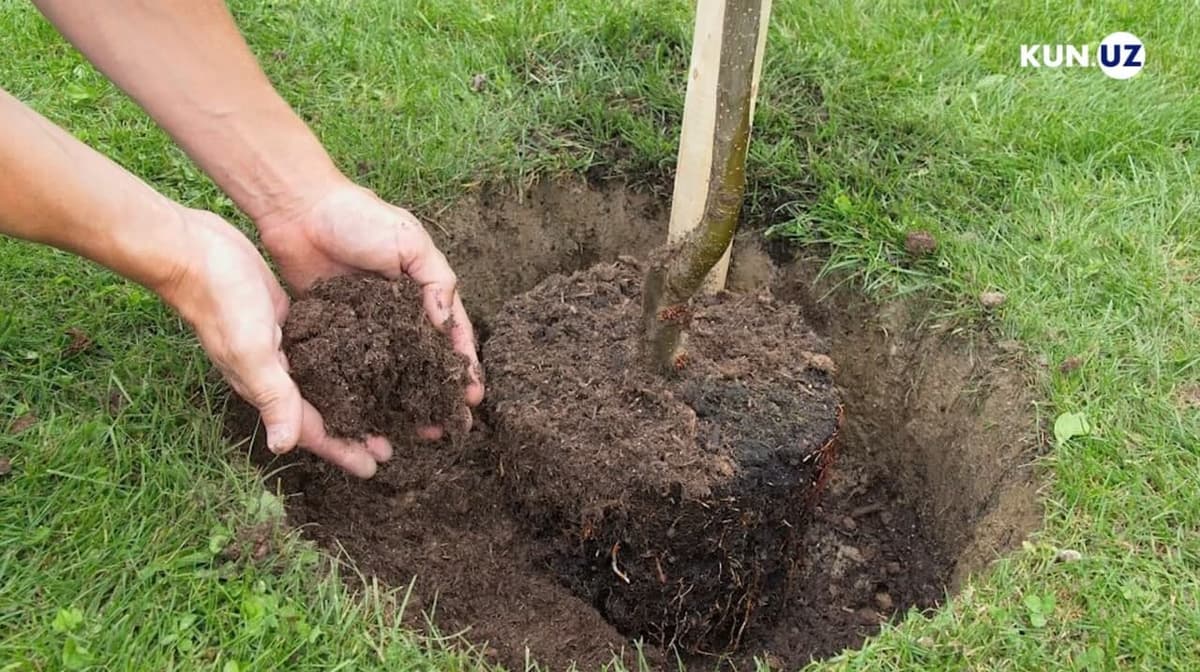
According to the committee, the initiative also calls for planting at least 50 million climate-adapted and drought-resistant trees and shrubs with a high capacity to trap dust. The project aims to achieve a survival rate of no less than 85% for the newly planted vegetation.
The committee noted that international experience shows green belts are not one-time tree-planting campaigns but long-term ecological infrastructure supported by a clear legal framework, stable financing, maintenance, irrigation, monitoring, and public oversight.
"Such an approach has been successfully implemented in the United Kingdom, South Korea, China, and Kazakhstan," the committee said.
Alongside tree planting, the project includes measures to strengthen the legal protection of land designated for green areas, prevent its unjustified conversion for construction and other purposes, improve the survival rate of trees and shrubs, introduce water-saving irrigation systems, and ensure continuous monitoring of air quality and the condition of green spaces.
Particular attention will also be paid to preserving naturally growing trees and shrubs along roads.
When assessing roadside vegetation, authorities will take into account its environmental value, road safety requirements, engineering utility protection zones, and sanitary standards. If the vegetation meets the established criteria, measures will be taken to preserve it, provide proper maintenance, and integrate it into the broader green infrastructure network.
The committee also reminded the public that, under Article 79 of Uzbekistan's Code on Administrative Responsibility, individuals and legal entities may be held administratively liable for the illegal felling, damaging, destruction, or transplantation of trees, shrubs, other plants, and saplings.