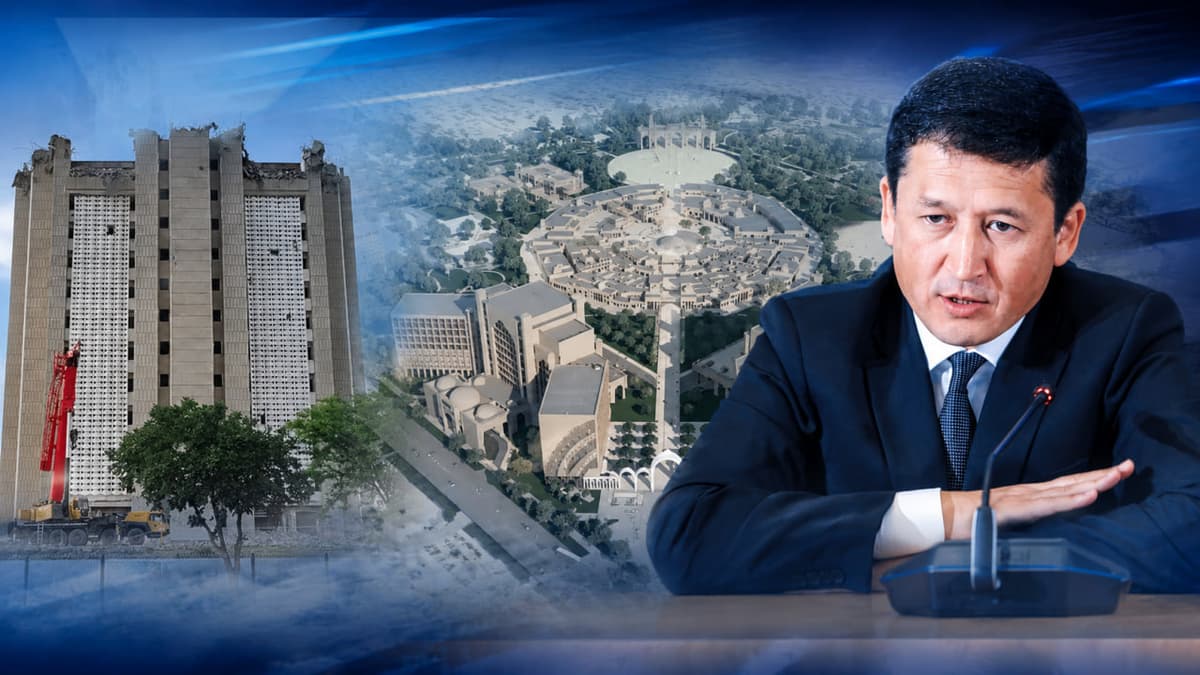
The state of the project site has sparked significant local concern. The designated area – cleared earlier to make room for the "Boqiy Buxoro" (Eternal Bukhara) ethnographic tourism center – currently sits empty, partially demolished, and enclosed by temporary banners. Local residents report that the dust from the open site blows through the city daily, while debates reportedly continue behind closed doors regarding whether adjacent structures should also be torn down.
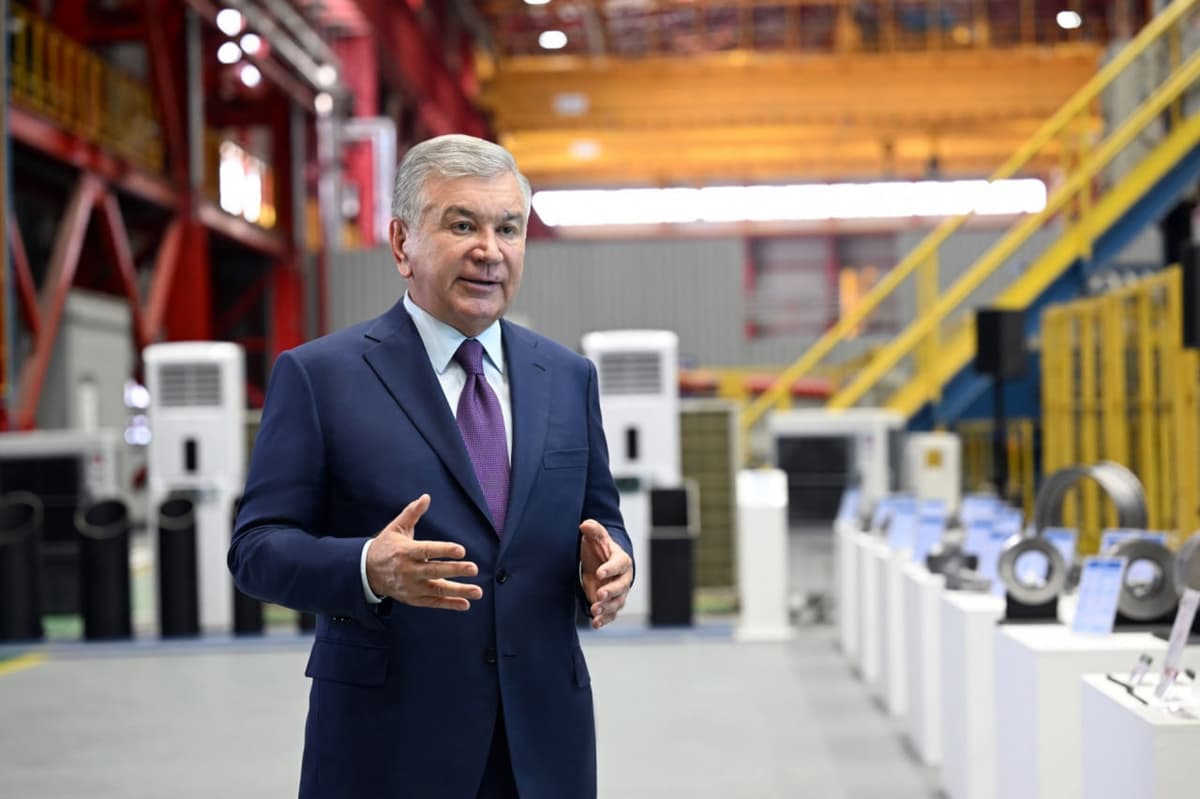
When pressed on the project’s future, the Tourism Committee chairman stated that the ultimate fate of the development is not completely up in the air, though specific operational details lie with the investors. He maintained that his oversight remains limited to the tourism aspects of the hotels, noting that he possesses no further information about internal building designs or pending administrative processes.
This lack of clarity follows a previous open dialogue session on April 24, where the Cultural Heritage Agency similarly avoided addressing the matter. When Kun.uz questioned Bahodir Abdikarimov, the head of the agency, on whether the abrupt halt indicated flawed pre-demolition planning, he declined to comment directly. Instead, Abdikarimov promised that a dedicated press conference would be organized in the near future to address the situation in Bukhara comprehensively.
The $470 million tourism center project, which officials initially announced would be fully funded by foreign investment, has faced intense backlash from international observers and conservationists. In 2024, the architectural watchdog organization Alerte Heritage openly condemned the ethnographic center, labeling it an eyesore. The organization warned that constructing historical-style replicas immediately adjacent to one of Central Asia’s best-preserved medieval cities risked turning the area into a caricature reminiscent of Las Vegas or Macau, which could alienate local residents and deter authentic international tourism.
While regional heritage protection groups continue to call for a permanent halt to the development, sources suggest that financial difficulties encountered by the primary investor may be the underlying cause for the current suspension of construction activities.