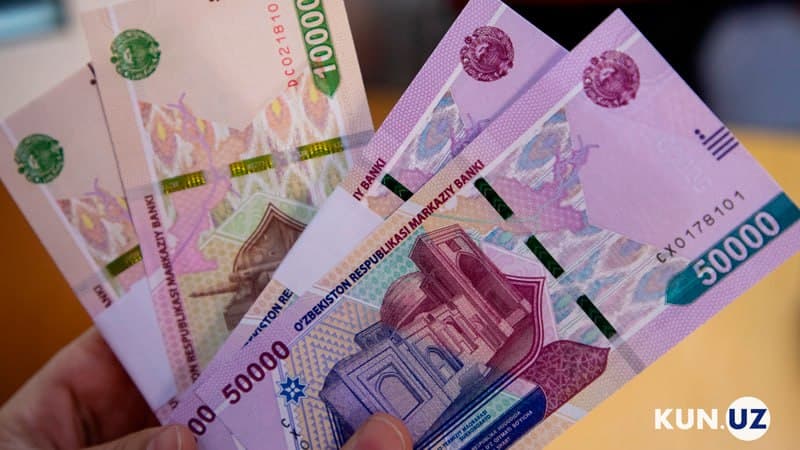
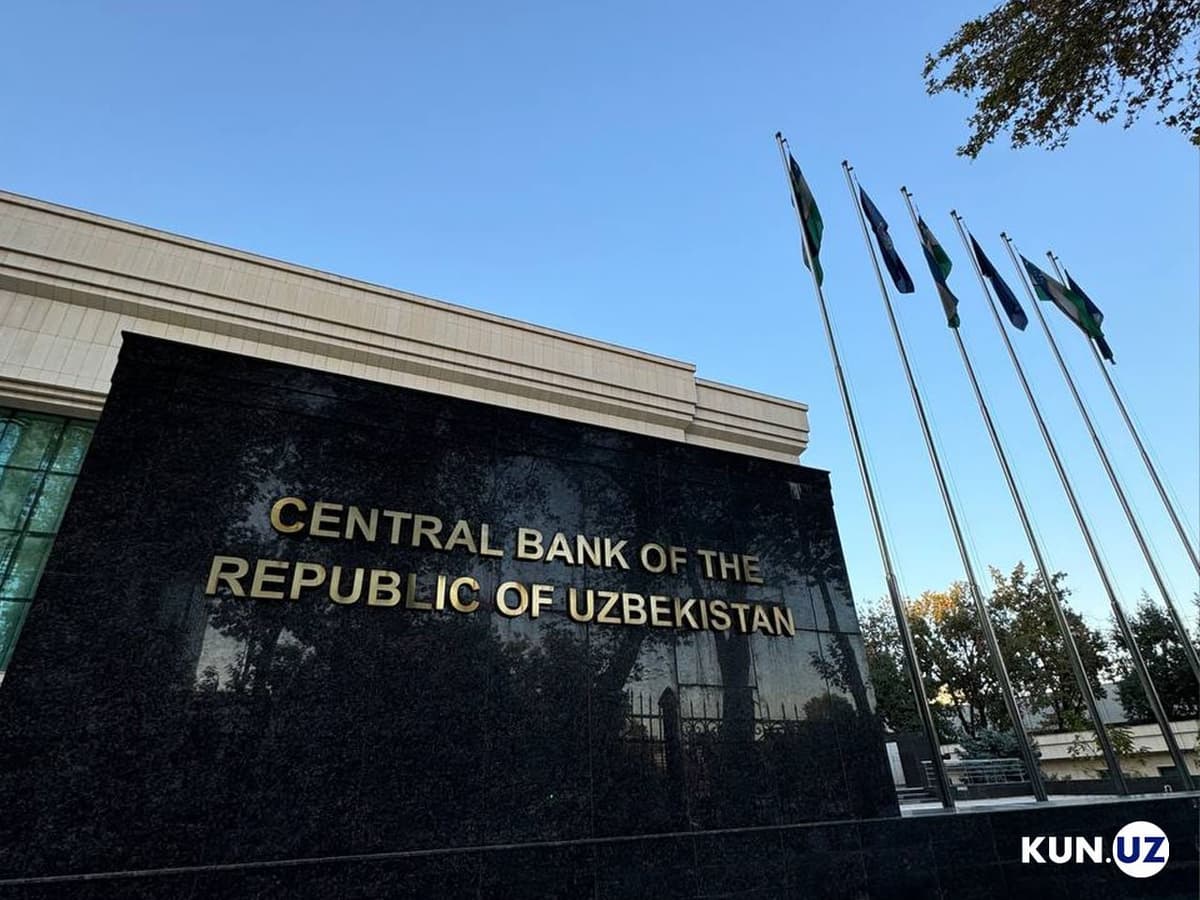
Speaking at a press conference on July 29, Samigjon Inogamov, Director of the Monetary Policy Department at the Central Bank, said the economy has been growing faster than its sustainable long-term capacity.

He explained that an economy's potential growth rate reflects the pace of expansion that can be sustained using existing production capacity.

"When actual growth exceeds that potential level, it indicates signs of overheating. We have consistently highlighted this in our monetary policy reviews. In recent quarters, economic growth has remained above its potential level, which points to signs of overheating," Inogamov said.

According to the Central Bank, Uzbekistan's GDP grew by 8.7% in the first quarter of 2026 and by 8.5% in the first half of the year. The regulator expects annual growth to reach 7.5–8%, significantly exceeding the rates recorded in previous years.

The Central Bank currently estimates the economy's potential growth at 6–7%, based on data available at the end of 2025. However, Inogamov said this estimate will be reviewed after this year's results and is likely to be raised.

"When we estimated potential growth at 6–7% based on 2025 data, it should be remembered that the estimated potential had been even lower in previous years. If economic growth does not have a significant impact on inflation, then the economy's potential can be reassessed upward," he said.

Growth of 9–10% considered achievable

Responding to a question about whether Uzbekistan could accelerate growth to 9–10% while maintaining tight monetary policy, Inogamov said such a pace is neither abnormal nor unattainable for the country's economy.

"Given the current state of Uzbekistan's economy, annual growth of 9–10% is neither abnormal nor difficult to achieve. It is a realistic target," he said.

According to Inogamov, recent economic expansion has coincided with declining inflation, suggesting that the country's productive capacity may be increasing.

"When strong growth is driven by an expansion of the economy's productive potential, it does not create inflationary pressure," he noted.

He said Uzbekistan's medium-term priority should be to increase its growth potential by improving investment efficiency, expanding production capacity and raising labor productivity.

"Investment must be used more efficiently, while production capacity should continue to expand. Supporting supply-side factors can help offset price pressures. Another key priority is improving labor productivity, which would allow the economy to maintain both strong growth and low inflation," he said.

Domestic demand remains strong

The Central Bank also said aggregate demand remains robust and is expected to stay elevated during the second half of the year.

According to Inogamov, strong consumer spending and higher government expenditure are the main factors supporting demand.

"Demand-side factors continue to dominate the economy, which requires the Central Bank to maintain tight monetary conditions. As these factors gradually come into balance, the degree of monetary tightening can also be eased," he said.

Under Uzbekistan's fiscal strategy, increased budget spending is primarily directed toward accelerating infrastructure projects and boosting investment. The Central Bank is assessing the impact of these expenditures jointly with the Ministry of Economy and Finance.

In the short term, additional government spending may strengthen demand and add to inflationary pressures. Over the longer term, however, infrastructure investment can expand the economy's productive capacity and help reduce price pressures, the regulator said.

Earlier, President Shavkat Mirziyoyev noted that although Uzbekistan's economy expanded by 8.5% in the first half of the year, growth of 9–10% would be needed to significantly improve living standards for the country's population of about 40 million. During a meeting on July 21, he instructed ministers and regional governors to move beyond reporting figures and demonstrate concrete reserves and measurable results.

The issue of economic overheating was also raised by the International Monetary Fund last year. Following its mission to Uzbekistan, the IMF recommended limiting growth in government spending financed by windfall gold revenues, warning that excessive fiscal expansion could further overheat an economy already characterized by strong domestic demand. The Fund said the current environment provides a favorable opportunity to advance reforms while building fiscal buffers to improve resilience against future shocks.

Economic overheating occurs when demand grows faster than an economy's capacity to produce goods and services. This imbalance can fuel inflation and, over time, contribute to an appreciation of the real exchange rate, making exports less competitive. Economists have also warned that excessive government spending or large-scale subsidized lending programs can intensify these pressures by injecting additional demand into an already fast-growing economy.