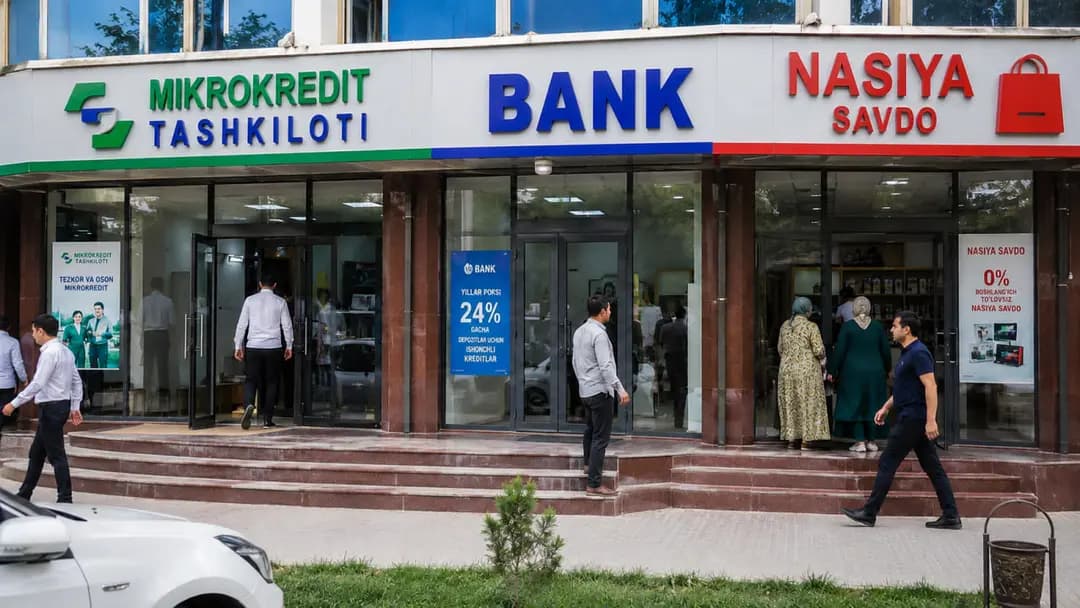
During a press conference held on March 27, Khaydarov provided a practical breakdown of the potential impact. He noted that if a single vehicle is priced at UZS 200 million and 100 cars are sold daily, approximately UZS 20 billion would enter the banking system. If daily sales reach 1,000 units, the daily inflow would rise to UZS 200 billion. On an annual scale, these figures represent a substantial economic shift that creates a "cheap resource" base for financial institutions.
The Deputy Minister emphasized that the constant circulation of these funds within bank accounts would allow banks to redirect the capital toward lending. As the volume of available resources grows, the cost of credit is expected to decrease, benefiting both entrepreneurs and the general public by expanding their financial opportunities. This process is also predicted to force banks to improve their service quality and offer more favorable terms to attract and retain customers.
Supporting the scale of this transition, Deputy Minister of Justice Muzraf Ikromov provided statistics on national legal transactions. He stated that approximately 5.4 million notarial actions are performed in Uzbekistan each year. This total includes 320,000 real estate transactions and 650,000 automobile sales contracts, highlighting the vast volume of trade that will soon move through digital and banking channels.
Starting April 1, 2026, several key sectors in Uzbekistan will transition exclusively to cashless payments. These include the sale of fuel, alcohol, and tobacco products, as well as payments for utility and government services. Furthermore, all transactions involving real estate and automobiles manufactured within the last 10 years must be conducted via non-cash methods. Additionally, any goods or services priced above UZS 25 million will be subject to the same mandatory cashless requirement.