





Additional features
-
Night mode

Housing prices in Uzbekistan move closer to real market values
The fundamental value of housing in Uzbekistan was 17 percent higher than market prices in the first half of 2024. One year later, this gap has narrowed to 4 percent. According to the Central Bank, this trend reflects a significant increase in supply in the real estate market, a decline in speculative demand and a rise in construction costs.
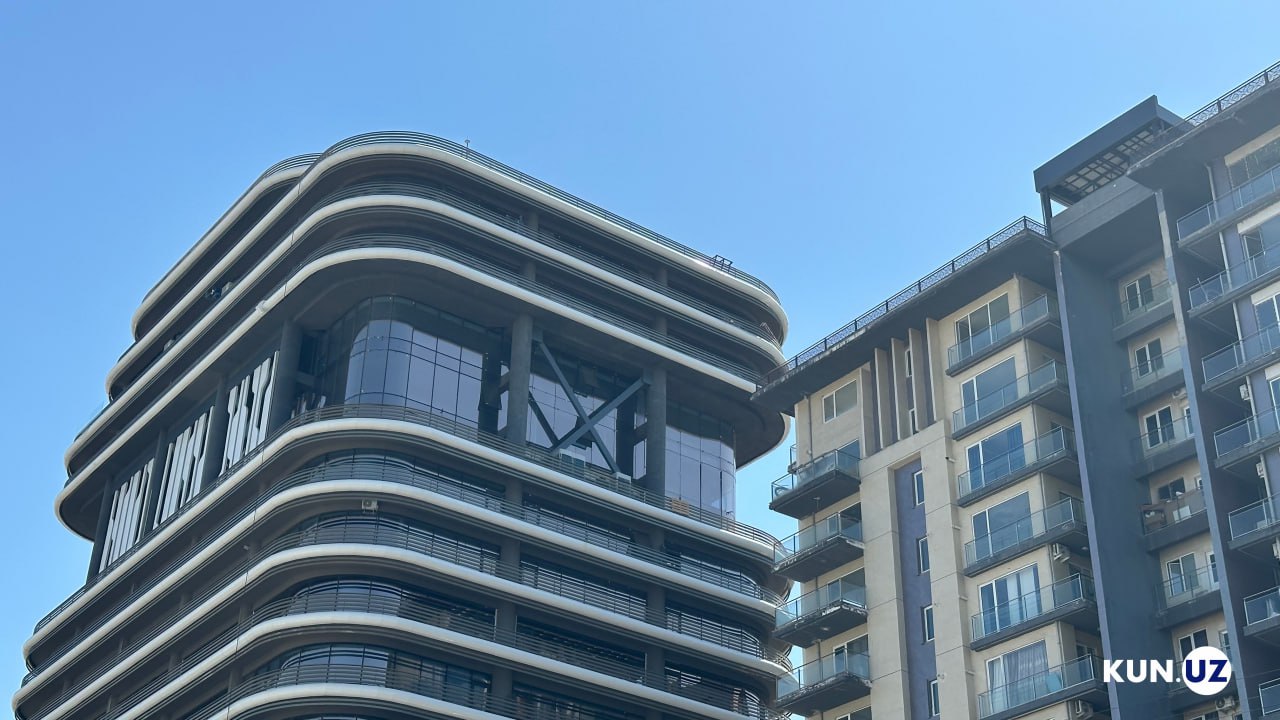
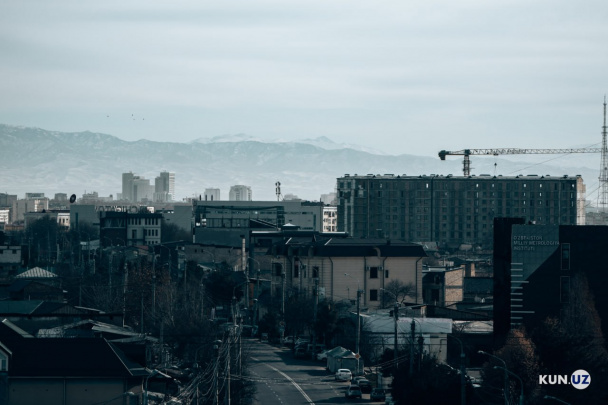
Photo: KUN.UZ
In the first half of 2025, the difference between the fundamental and market values of housing fell from 17 percent to 4 percent.
The Central Bank reports that the notable increase in supply and the decline in speculative demand have contributed to a decrease in market prices. At the same time, the narrowing gap was also supported by an increase in the fundamental value of housing.
The 4-percent difference recorded in the second quarter of 2025 is the lowest level observed since the first quarter of 2022.
Housing prices show signs of adjustment
According to National Statistics Committee data cited in the Central Bank report, as of the end of the first half of 2025, market prices for housing decreased by 4.9 percent in UZS terms and by 6.2 percent in foreign-currency terms compared to the same period in 2024.
Over the same period, supply continued to grow. The volume of construction completed in the first half of 2025 increased by 72 percent year-on-year to 137.6 trillion UZS. The share of construction in GDP rose to 17 percent. As of 1 July 2025, the annual growth rate of construction and installation costs accelerated to 6.3 percent.
Household ability to purchase housing has stabilized
Longer mortgage terms, lower interest rates and rising household incomes have collectively helped restore the population’s ability to purchase housing through mortgages.
In the first half of 2025, the housing affordability index reached 121 percent.
In 2024, the number of residential units in the real estate market increased by 1 percent to 7.6 million units.
Housing prices declining relative to GDP per capita
As of 1 July 2025, the ratio of housing prices to nominal GDP per capita stood at 22 percent, down 4 percentage points from the same period in 2024.
According to the report, this trend is driven both by declining market prices for housing and by a 16 percent increase in nominal GDP per capita.
Speculative demand in the housing market has weakened
By the end of the first half of 2025, residential rental prices were 12 percent higher than in the same period of 2024. This, the Central Bank notes, reflects reduced investment attractiveness in the real estate market.
Housing prices are rising more slowly than incomes
In the first half of 2025, the annual growth rate of average monthly wages exceeded the annual growth rate of housing prices by 22 percentage points, reaching 17 percent.
Activity in the real estate market remains steady
At the end of 2024, 98 percent of households owned a home. At the beginning of 2025, the unmet housing needs of 157,300 households without their own homes continued to support demand in the real estate market.
In the first half of 2025, the number of registered housing sale contracts reached 177,500, an increase of 11 percent compared to the same period in 2024.
Declining birth rates may reduce future demand for housing
Uzbekistan’s slowing demographic growth may lead to weaker real estate demand in the long term.
In recent years, population growth has been slowing. As of 1 July 2025, the annual population growth rate stood at 2 percent, bringing the permanent population to 37.9 million. Population density reached 84 people per square kilometer, which is 5 persons higher than the median level for Central Asia and the Caucasus.
Number of mortgage borrowers continues to grow
The share of working-age residents with mortgage loans continues to expand. As of 1 July 2025, 19 out of every 1,000 working-age residents had an active mortgage, a 7-percent increase compared to the same period in 2024.
In the first half of 2025, the average mortgage loan issued amounted to nearly 300 million UZS. During this period, the weighted-average interest rate on mortgages fell to 19.2 percent, a decrease of 0.4 percentage points year-on-year. The weighted-average mortgage maturity increased by 0.5 years to reach 17.2 years.
Related News
17:16 / 21.11.2025
Uzbekistan to double annual housing construction and reach 421,000 new homes by 2040
15:23 / 21.11.2025
Half-built Tashkent residential block trapped by loan lien; builders jailed, buyers desperate
16:02 / 20.11.2025
Uzbekistan plans to build 140,000 apartments in 2026
16:39 / 22.10.2025